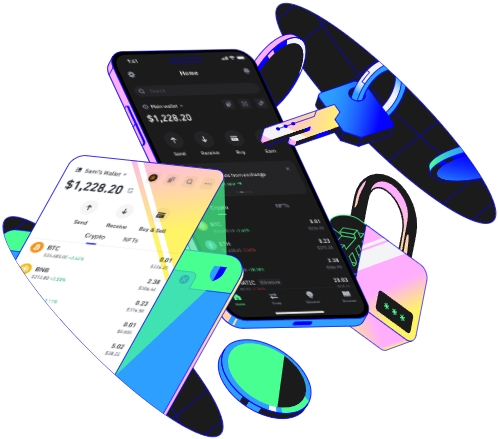
Understanding Your Wallet Dashboard
A Guide to Understanding Your Financial Overview

Your wallet dashboard is a crucial tool that provides a snapshot of your financial situation. It allows you to monitor your funds, track transactions, and make informed decisions. In this article, we'll explore the key components of a wallet dashboard and how to interpret them effectively.
Balance Display
The balance display is one of the most prominent features on your wallet dashboard. It shows the total amount of funds available in your wallet at a given time. This balance includes all the money you have deposited, as well as any interest or earnings. It's important to regularly check your balance to ensure you have enough funds for your expenses and to detect any unauthorized transactions. Some wallets may display different types of balances, such as available balance, pending balance, and total balance. The available balance is the amount of money you can immediately use, while the pending balance includes transactions that are in the process of being cleared. Understanding these distinctions can help you manage your finances more effectively.
Transaction History
The transaction history section provides a detailed record of all the financial activities in your wallet. Each transaction entry typically includes the date, time, amount, description, and the recipient or sender. By reviewing your transaction history, you can keep track of your spending patterns, identify any recurring expenses, and verify the accuracy of your transactions. You can also use this information to reconcile your wallet balance with your bank statements. Some wallets allow you to filter and sort your transaction history by various criteria, such as date range, transaction type, or amount. This makes it easier to find specific transactions and analyze your financial behavior over time.
Account Settings
The account settings area of your wallet dashboard gives you the ability to manage your wallet preferences and personal information. Here, you can update your contact details, change your password, set up security features like two - factor authentication, and link or unlink external accounts. You may also be able to customize the appearance of your wallet dashboard, such as choosing a theme or setting up notifications. Notifications can be particularly useful as they can alert you about low balances, large transactions, or when a payment is due. By carefully configuring your account settings, you can enhance the security and usability of your wallet.
Investment and Savings Overview
If your wallet includes investment or savings features, the dashboard will provide an overview of these aspects. You'll be able to see the value of your investments, such as stocks, bonds, or mutual funds, and track their performance over time. For savings accounts, you can view the interest rate, the amount of interest earned, and the projected growth. This section helps you understand how your money is working for you and whether you're on track to meet your financial goals. You can use this information to make adjustments to your investment portfolio or savings strategy, such as increasing your contributions or reallocating your assets.
Security Indicators
Security is of utmost importance when it comes to your wallet. The dashboard often includes security indicators that show the status of your wallet's security features. This could be a simple icon indicating whether your account is protected by a strong password, if two - factor authentication is enabled, or if there have been any recent security alerts. Some wallets may also provide a security score that gives you an overall assessment of how secure your account is. By paying attention to these security indicators, you can take proactive steps to safeguard your funds and personal information. For example, if the security score is low, you can take actions like changing your password or enabling additional security measures.
In conclusion, understanding your wallet dashboard is essential for effective financial management. By familiarizing yourself with each of these key components, you can gain better control over your finances, make informed decisions, and ensure the security of your funds.
TAG: your wallet security balance dashboard funds transactions amount financial includes