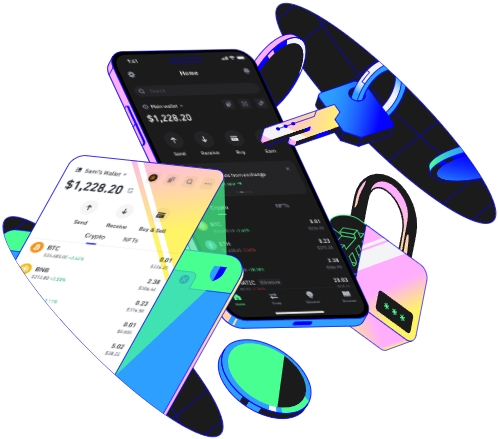
Staking Crypto within Trust Wallet
Staking Crypto within Trust Wallet: Complete Guide
Staking in Trust Wallet lets you earn passive income on your cryptocurrencies directly from your mobile device. Here's everything you need to know about how it works, which coins are supported, and how to stake safely.
What is Staking in Trust Wallet?
Staking is the process of locking up your crypto to support a blockchain network's operations (like validating transactions) in exchange for rewards. Trust Wallet acts as a non-custodial interface—you control your keys while the wallet facilitates staking with supported networks.
Key Benefits of Staking in Trust Wallet:
Earn passive income (typically 4-20% APY)
Support blockchain security and decentralization
No minimum lockup periods for some coins
No KYC required - completely private
Non-custodial - you keep your private keys
Supported Staking Coins in Trust Wallet
Trust Wallet supports staking for Proof-of-Stake (PoS) coins. The list evolves, but commonly includes:
Coin APY Range Unstaking Period Special Notes
BNB (Binance) 2-7% 7-10 days Flexible staking available
ATOM (Cosmos) 10-20% 21 days Can choose validator
TEZOS (XTZ) 5-6% No lockup Rewards compound automatically
TRON (TRX) 4-6% 3 days Can vote for SRs
KAVA 15-25% 21 days High rewards but volatile
TERRA (LUNA Classic) Varies 21 days Post-collapse, higher risk
NEAR 10-12% 48-72 hours Newer addition
SOLANA (SOL) 6-8% 2-3 days Via Marinade Finance integration
Note: Supported coins and APY change frequently. Always check the current rates in your Trust Wallet app.
Step-by-Step: How to Stake in Trust Wallet
Before You Start:
Update Trust Wallet to the latest version
Ensure you have enough of the coin you want to stake (plus extra for gas fees)
Research validators if the coin allows choice (like ATOM)
General Staking Process:
1. For BNB Staking (Simplest):
text
1. Open Trust Wallet → DApps tab
2. Find "BNB Staking" or go to: https://www.binance.org/en/staking
3. Connect your Trust Wallet
4. Choose "Stake BNB"
5. Enter amount and confirm
6. Wait 1-2 days for rewards to start accumulating
2. For Other Coins (ATOM, XTZ, TRX, etc.):
text
1. Open Trust Wallet main screen
2. Find the coin you want to stake (ensure it's the correct network)
3. Tap on the coin → More options (•••) → "Stake"
4. If prompted, choose a validator:
- Check commission rates (lower = more rewards for you)
- Look for reliable, established validators
- Avoid those with 100% commission
5. Enter amount to stake
6. Review fees and confirm transaction
Important Details by Coin:
ATOM (Cosmos) Staking:
Choose validator carefully - some charge 0-20% commission
Unbonding period: 21 days (cannot be shortened)
Re-staking: Manual claim and re-stake needed
Slashing risk: Validator misbehavior can lead to small penalties
TEZOS (XTZ) Baking/Delegation:
Automatic compounding - rewards are added to your stake automatically
No lockup period - can undelegate anytime (but takes time to become liquid)
No validator choice - Trust Wallet handles delegation
TRON (TRX) Voting:
Vote for Super Representatives (SRs) to earn rewards
Energy/Bandwidth required - may need to freeze some TRX first
Rewards vary by SR - check current rates
Claiming Rewards & Unstaking
Claiming Staking Rewards:
Frequency varies: Some coins pay daily, others continuously
Manual claiming: For ATOM, TRX - you must manually claim and re-stake
Auto-compounding: For XTZ, BNB - rewards automatically compound
Gas fees apply to claim rewards - ensure you have the native token for fees
How to Unstake/Unbond:
text
1. Go to the staked coin in Trust Wallet
2. Tap "Unstake" or "Undelegate"
3. Enter amount to unstake
4. Confirm transaction
5. Wait for the unbonding period (varies by coin)
6. Funds will appear in your available balance after the period
Warning: During the unbonding period:
You earn NO rewards
Funds are locked and cannot be transferred
You cannot cancel the unbonding process
Risks & Important Considerations
1. Slashing Risk (For Validator-Choice Coins)
If your validator double-signs or goes offline, you can lose a portion of staked funds
Mitigation: Choose reputable, reliable validators with <10% commission
2. Unbonding Period Lockup
Funds are illiquid during unbonding (3-21 days depending on coin)
Cannot be canceled once initiated
Plan ahead if you might need liquidity
3. APY Fluctuations
Rewards rates change based on network participation
High APYs often indicate newer/riskier networks
Don't chase the highest APY without research
4. Network Fees
Claiming rewards costs gas (paid in the native token)
Keep some unstaked coins for transaction fees
Small stakes may not be profitable after fees
5. Trust Wallet Specific Risks
App updates can temporarily affect staking interface
Always have your recovery phrase backed up
No customer support for staking issues - you're interacting directly with blockchain
Maximizing Your Staking Returns
Best Practices:
Compound Regularly: For manually claimed coins (ATOM), claim and re-stake weekly to maximize compounding
Diversify Validators: For large amounts, split across multiple validators to reduce slashing risk
Monitor Rates: Check APY monthly as network conditions change
Keep Gas Money: Always maintain 2-3 transactions worth of native token unstaked
Use Flexible Options: For BNB, consider flexible staking if you need liquidity
Tax Implications:
Staking rewards are taxable income in most countries
Record dates and values when rewards are received
Unstaking is NOT a taxable event (you already own the assets)
Consult a crypto tax professional for your jurisdiction
Troubleshooting Common Issues
1. "Staking Option Not Showing"
Update Trust Wallet to latest version
Ensure you have the minimum required amount
Check if the coin still supports staking (some remove support)
2. "Transaction Failed" When Staking
You need more native token for gas fees
Network congestion - try again later
Temporary node issue - restart the app
3. "No Rewards Appearing"
Wait 24-48 hours for rewards to start
Check if validator is active (for ATOM)
Some coins have minimum payout thresholds
4. "Can't Unstake/Claim"
Ensure you have gas fees available
Check if you're in the middle of an unbonding period
Some coins have cooldown periods between actions
5. "Validator Inactive"
Your rewards stop immediately
You must manually redelegate to an active validator
There's usually no unbonding period for redelegation
Alternatives to Trust Wallet Staking
While Trust Wallet is convenient, consider these alternatives for better rates or features:
Native Wallet Staking: Some coins offer higher APY through their official wallets
Exchange Staking: Binance, Kraken, etc., often offer higher rates but require KYC
DeFi Staking: Higher yields but much higher risk (smart contract vulnerability)
Hardware Wallet Integration: Ledger Live offers staking with cold storage security
Security First: Protecting Your Staked Assets
Never share recovery phrase - Trust Wallet will never ask for it
Enable all security features: Biometrics, passcode, transaction signing
Double-check validator addresses before delegating
Monitor your stakes regularly but avoid checking on public WiFi
Consider a dedicated staking device - use an old phone with Trust Wallet for staking only
Final Checklist Before Staking
I've backed up my recovery phrase on paper/metal
I understand the unbonding period for this coin
I have extra coins for gas/transaction fees
I've researched the validator (if applicable)
I'm aware of the tax implications in my country
I won't need these funds during the lockup period
I've tested with a small amount first
Remember: Staking is generally low-risk compared to DeFi yield farming, but it's not zero-risk. Start small, learn the process, and gradually increase your stakes as you become comfortable with the particular blockchain's staking mechanics.
The beauty of Trust Wallet staking is that it brings institutional-grade earning opportunities to regular users while maintaining full self-custody. Just ensure you're staking coins you believe in for the long term, not just chasing temporary yields.
TAG: