Is WalletConnect Safe to Use?
Assessing the Security of WalletConnect
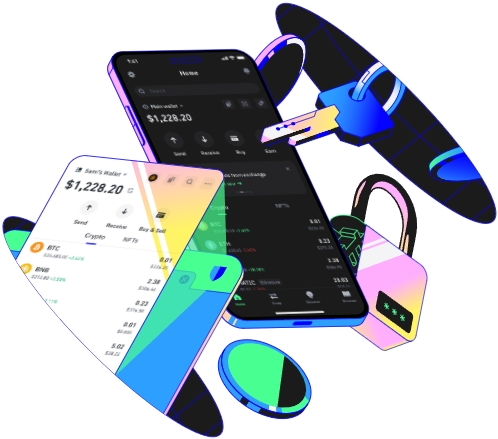
WalletConnect is a technology that has gained significant popularity in the cryptocurrency and blockchain space. It allows users to connect their wallets to decentralized applications (dApps) securely and seamlessly. However, the question of whether WalletConnect is safe to use is a critical one, considering the potential risks associated with cryptocurrency transactions and the need to protect user funds and data.
One of the key features that contribute to the safety of WalletConnect is its use of end - to - end encryption. When a user connects their wallet to a dApp via WalletConnect, all communication between the two is encrypted. This means that even if a malicious actor intercepts the data being transmitted, they won't be able to decrypt and access sensitive information such as private keys or transaction details. End - to - end encryption provides a high level of security, comparable to that used in other secure communication channels.
Another aspect of WalletConnect's security is the way it handles user permissions. When a dApp requests access to a user's wallet through WalletConnect, the user has full control over what permissions they grant. For example, a user can choose to only allow the dApp to view their account balance, or they can give it permission to execute specific transactions. This granular control over permissions reduces the risk of a dApp accessing more data or performing unauthorized actions on the user's wallet.
However, WalletConnect is not without its potential risks. One of the main concerns is the possibility of phishing attacks. Malicious actors can create fake dApps that mimic legitimate ones. When a user scans the WalletConnect QR code from these fake dApps, they may unknowingly connect their wallet to a malicious application. Once connected, the attacker can then try to steal the user's funds or access their private information. To mitigate this risk, users need to be extremely cautious and only connect to well - known and trusted dApps. They should also verify the dApp's URL and look for security badges or other indicators of authenticity.
There is also the risk of bugs or vulnerabilities in the WalletConnect protocol itself. Like any software, WalletConnect may have undetected bugs that could be exploited by hackers. The developers of WalletConnect are constantly working on security updates and audits to address these potential issues. WalletConnect undergoes regular security audits by independent third - party firms. These audits help to identify and fix any security vulnerabilities before they can be exploited by malicious actors. However, no software can be completely immune to bugs, and users need to stay informed about the latest security advisories related to WalletConnect.
The security of the wallet used in conjunction with WalletConnect also plays a crucial role. If a user's wallet has security flaws, such as a weak password or a vulnerability in its software, it can compromise the overall safety of the WalletConnect connection. For example, if a user's wallet is stored on a device that is infected with malware, the malware could potentially steal the user's private keys when they use WalletConnect to connect to a dApp. Therefore, users should ensure that their wallets are secure, use strong passwords, enable two - factor authentication, and keep their wallet software up - to - date.
Another factor to consider is the regulatory environment. As the cryptocurrency space is still relatively new, regulatory frameworks are constantly evolving. Different countries and regions have different rules regarding cryptocurrency transactions and the use of technologies like WalletConnect. In some areas, there may be strict regulations that govern the security and operation of such technologies. Non - compliance with these regulations can not only pose legal risks but also impact the overall safety of using WalletConnect. For example, a lack of regulatory oversight may make it easier for malicious actors to operate in the market.
WalletConnect also depends on the security practices of the dApps it connects to. If a dApp has poor security measures, it can put the user's funds and data at risk. For instance, a dApp may have weak access controls or use outdated encryption algorithms. When a user connects their wallet to such a dApp via WalletConnect, they may be exposed to potential security threats. To minimize this risk, developers of dApps need to follow best security practices, such as conducting regular security audits and using secure coding techniques.
Furthermore, the user experience can also have implications for security. WalletConnect aims to provide a seamless and easy - to - use experience. However, in some cases, the simplicity of the connection process may make users less cautious. For example, if the process of connecting a wallet to a dApp is too quick and straightforward, users may not take the time to carefully review the permissions being requested. To address this, WalletConnect could potentially implement more user - friendly security prompts that encourage users to be more vigilant when connecting to dApps.
In conclusion, while WalletConnect offers several security features such as end - to - end encryption and user - controlled permissions, it is not completely risk - free. Users need to be aware of the potential risks, including phishing attacks, protocol vulnerabilities, and the security of their wallets and the dApps they connect to. By taking appropriate precautions, such as only using trusted dApps, keeping their wallets secure, and staying informed about security updates, users can use WalletConnect in a relatively safe manner.
TAG: WalletConnect security user dApp their wallet dApps may they use