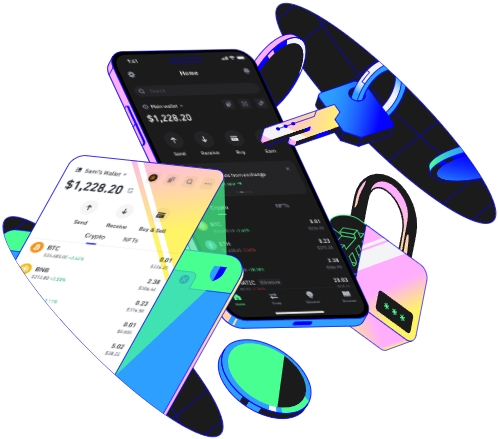
Importing an Existing Wallet
Steps and Considerations for Wallet Import
Importing an existing wallet is a crucial process that allows users to access their funds and digital assets across different platforms or devices. This guide will walk you through the necessary steps and important considerations to ensure a smooth and secure wallet import.
Reasons for Importing a Wallet
There are several reasons why you might need to import an existing wallet. One common reason is to switch to a new wallet application that offers better features, security, or user experience. For example, you may want to move from a basic wallet to a more advanced one with multi - signature support. Another reason could be to access your wallet on a different device. If you've lost your original device or want to use your wallet on a secondary device, importing the wallet becomes essential. Additionally, in some cases, wallet providers may go out of business or face security issues, prompting users to import their wallets to a more reliable alternative.
Pre - import Preparations
Before you start the import process, it's vital to take some preparatory steps. First, make sure you have all the necessary information for your wallet. This usually includes the wallet's private key, seed phrase, or recovery phrase. These are the keys to accessing your funds, so keep them safe and secure. You should also verify the authenticity and security of the new wallet application you plan to import into. Check for reviews, ratings, and security audits. It's also a good idea to create a backup of your existing wallet data, just in case something goes wrong during the import process.
The Import Process
The actual import process can vary depending on the wallet application. In most cases, you'll need to open the new wallet and look for an option like "Import Wallet" or "Restore Wallet". Once you find this option, you'll be prompted to enter the relevant information. If you're using a seed phrase, you'll typically need to enter all the words in the correct order. Some wallets may also require you to specify the derivation path, which determines how the wallet generates addresses from the seed. After entering the information, the wallet will attempt to import your funds. If the import is successful, you should see your balances and transaction history in the new wallet.
Security Considerations
Security is of utmost importance when importing an existing wallet. Never share your private key or seed phrase with anyone. Make sure you're using a secure and trusted network when performing the import. Avoid using public Wi - Fi networks, as they can be vulnerable to attacks. Additionally, enable two - factor authentication (2FA) on the new wallet if available. This adds an extra layer of security by requiring a second form of verification, such as a code sent to your phone, when logging in or making transactions.
Troubleshooting
Sometimes, you may encounter issues during the import process. If the wallet fails to import, double - check that you've entered the correct information. Make sure there are no typos in the seed phrase or private key. If the problem persists, check the wallet's support documentation or contact the wallet's customer support team. They may be able to provide specific troubleshooting steps based on your situation. In some cases, there could be compatibility issues between the old and new wallets, so it's important to ensure that the new wallet supports the type of wallet you're trying to import.
TAG: wallet import your new may phrase process security seed