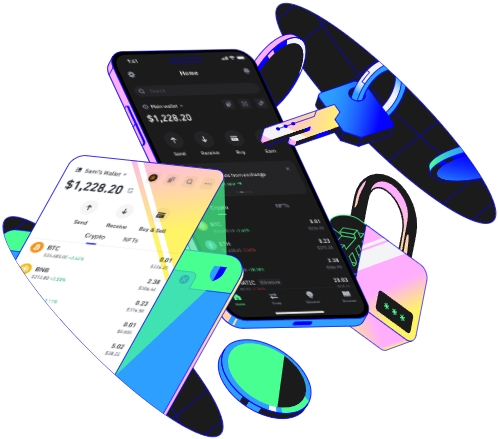
Best Practices for Wallet Security
Effective Ways to Protect Your Wallet

In today's digital age, wallet security has become a paramount concern for individuals and businesses alike. Whether it's a physical wallet or a digital one, safeguarding your valuable assets is crucial. Here are some best practices for wallet security.
Choose a Secure Wallet
When it comes to digital wallets, not all are created equal. Opt for well - established and reputable wallet providers. Look for wallets that offer multi - factor authentication, encryption, and have a proven track record of security. For physical wallets, choose those with anti - theft features such as RFID - blocking technology. This technology helps prevent unauthorized scanning of your credit and debit cards, protecting your financial information from being stolen wirelessly.
Keep Your Passwords and PINs Secure
Passwords and PINs are the first line of defense for your wallet. Create strong, unique passwords for each of your wallet accounts. A strong password should be a combination of uppercase and lowercase letters, numbers, and special characters. Avoid using easily guessable information like birthdays or names. Also, never share your passwords or PINs with anyone. If possible, use a password manager to generate and store your passwords securely. This way, you don't have to remember multiple complex passwords, and your information is better protected.
Be Wary of Public Wi - Fi
Public Wi - Fi networks can be a hotbed for hackers. When using your digital wallet on a public network, avoid making any financial transactions. Hackers can intercept the data transmitted between your device and the wallet server on an unsecured Wi - Fi network. If you need to access your wallet while on the go, use a virtual private network (VPN). A VPN encrypts your internet connection, making it much more difficult for hackers to steal your information.
Regularly Update Your Wallet Software
Wallet providers often release software updates to fix security vulnerabilities and improve performance. Make sure to keep your wallet software up - to - date. These updates can patch security holes that hackers might exploit. Set your wallet app to update automatically if possible, so you don't have to worry about manually checking for updates. Additionally, update the operating system of your device as well, as it can also have an impact on the security of your wallet.
Backup Your Wallet
For digital wallets, backing up your wallet is essential. In case of device loss, theft, or software failure, you can restore your wallet using the backup. Most wallets provide a way to create a backup, usually in the form of a recovery phrase or a backup file. Store this backup in a safe place, preferably offline. You can write it down on a piece of paper and keep it in a secure location like a safe. For physical wallets, take inventory of the items inside and keep copies of important documents such as IDs and credit card numbers in a separate, secure place.
By following these best practices for wallet security, you can significantly reduce the risk of losing your money and personal information. Whether it's a physical or digital wallet, taking proactive steps to protect it is always a wise decision.