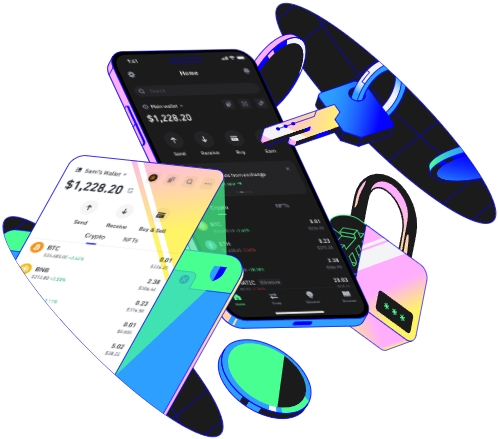
Managing Multiple Wallets
Strategies for Efficient Wallet Handling

Managing multiple wallets can be a complex task, especially in today's digital age where various types of wallets exist for different purposes. Whether it's traditional physical wallets for cash and cards or digital wallets for cryptocurrencies and online payments, having a clear strategy is essential. This article will explore the key aspects of managing multiple wallets effectively.
Understanding Different Wallet Types
There are several types of wallets available, each with its own features and functions. Physical wallets are the most common and are used to carry cash, credit cards, and identification. Digital wallets, on the other hand, store payment information electronically and can be used for online shopping, mobile payments, and more. Cryptocurrency wallets are specifically designed to store and manage digital currencies like Bitcoin and Ethereum. Understanding the differences between these wallet types is crucial for proper management.
Physical wallets offer the convenience of having immediate access to cash and cards. They are also a tangible way to keep track of your spending. Digital wallets, however, provide a more secure and efficient way to make payments, especially in the digital realm. Cryptocurrency wallets require a different level of security and knowledge due to the volatile nature of digital currencies.
Setting Clear Goals and Purposes
Before managing multiple wallets, it's important to define your goals and purposes for each wallet. For example, you might have one physical wallet for daily expenses, another for travel, and a digital wallet for online shopping. By setting clear goals, you can better allocate your funds and manage your finances more effectively.
For instance, if you're saving for a vacation, you can create a separate wallet specifically for that purpose. This way, you can easily track your progress and ensure that you're not dipping into those funds for other expenses. Similarly, if you're actively trading cryptocurrencies, having a dedicated wallet for trading can help you keep track of your investments and make informed decisions.
Implementing Security Measures
Security is a top priority when managing multiple wallets. Physical wallets can be lost or stolen, so it's important to keep them in a safe place and consider using a wallet with anti-theft features. Digital wallets and cryptocurrency wallets are vulnerable to cyberattacks, so you need to take extra precautions to protect your information.
For digital wallets, use strong passwords and enable two-factor authentication. Regularly update your wallet software to ensure that you have the latest security patches. When it comes to cryptocurrency wallets, store your private keys offline in a secure location, such as a hardware wallet. This helps prevent unauthorized access to your digital assets.
Regular Monitoring and Reconciliation
Regularly monitoring your wallets is essential to detect any unauthorized transactions or discrepancies. Check your wallet balances frequently and review your transaction history to ensure that everything is in order. Reconcile your wallets with your bank statements or other financial records to identify any errors or fraudulent activity.
For example, if you notice a transaction in your digital wallet that you don't recognize, contact your wallet provider immediately to report the issue. By staying vigilant and proactive, you can minimize the risk of financial loss and protect your assets.
Streamlining Wallet Management
To make managing multiple wallets more efficient, consider using wallet management tools or apps. These tools can help you consolidate your wallet information, track your spending, and set up alerts for low balances or unusual activity. Some apps even allow you to transfer funds between different wallets with just a few clicks.
Additionally, you can simplify your wallet usage by reducing the number of wallets you have. Evaluate your needs and determine if there are any wallets that you can consolidate or eliminate. This can help reduce the complexity of managing multiple wallets and make your financial life more organized.
In conclusion, managing multiple wallets requires a combination of understanding, planning, security, and monitoring. By following these strategies, you can effectively manage your wallets and ensure the safety and efficiency of your financial transactions.
TAG: wallets your wallet digital multiple managing more ensure financial make